Removals in France for household and business moves

Removals France provides removals in France for homes and businesses that need a practical moving service with clear planning and careful handling. The work can include packing support, loading, transport and delivery, with a service shaped around the type of move rather than a fixed approach. Whether the job involves a flat, a family house, shared accommodation or business premises, the aim is to move belongings in an organised way and keep the process straightforward for the customer.
Our removals service is built around items that need sensible handling, from everyday furniture and boxed possessions to heavier pieces and mixed contents that benefit from proper preparation. For some customers that means a simple transport-only move; for others it means a fuller package with packing and unpacking support. Removals can be arranged in a way that matches the volume of goods, the access at each address and the level of help required, so the move feels manageable from start to finish.
Good moving outcomes usually depend on detail as much as distance. A removal can involve stairs, tight access, storage considerations, fragile items or the need to coordinate timing around keys and handovers. We keep the process focused on the practical points that matter: what needs moving, what can be dismantled, what should be wrapped, and what should travel separately. If you already know the main facts about your move, it is usually easier to ask for a clear quotation and compare the best option for your situation.
House moves planned around your property and contents

Home removals are often more varied than people expect, because the work has to reflect the layout of the property and the mix of items inside it. A one-bedroom flat may need careful stair carrying and secure protection for compact furniture, while a larger house may require coordinated loading for beds, wardrobes, white goods and boxes. Our home moving work covers the practical side of the process so the contents are handled in a sensible order and delivered with the right level of care.
Home moves are especially useful when the customer wants one provider to manage the stages of the move rather than arranging each part separately. That can include dismantling items where needed, preparing furniture for transit, loading in a structured sequence and placing items in the rooms that suit them at the other end. When people are moving within the same area or between different parts of the country, a clear plan helps reduce delays and avoid unnecessary handling.
Two or three pieces of preparation can make a move run more smoothly without turning it into a complicated project. First, separate anything you will need immediately so it does not end up buried in general boxes. Second, keep fragile or valuable items identified in a way that is easy to understand. Third, make sure access details are checked in advance, especially if there are narrow roads, parking limits or shared entrances. Simple preparation saves time on the day and helps the removal team work in a steady rhythm.
Household removals with packing and careful loading

Some customers want more than transport, especially when there are breakables, mixed household contents or limited time to prepare. That is where a fuller removals package can be useful, with packing and unpacking arranged alongside the move itself. The point is not to overcomplicate the service, but to make sure the items are ready for transit and easier to place once they arrive. Packing and unpacking services can support the move when extra handling would otherwise add stress.
Careful loading matters because the way items are stacked and secured has a direct effect on how safely they travel. Heavier goods should be positioned so they support the load properly, while fragile items need wrapping, spacing and protection from movement. A good removal job balances efficiency with caution, making sure the van or truck is used well without overcrowding the load. That approach is useful for households with mirrors, lamps, framed pictures, kitchenware and other items that need a measured touch.
Customers often ask what should be packed first, and the answer depends on the move rather than a single rule. A sensible starting point is the content you will not need before moving day, such as books, ornaments, spare bedding and seasonal items. Everyday essentials can be left until later, while items that need special handling can be prepared separately. Order and labelling are more helpful than rushing, because they make the move easier to unload and settle once the property is ready.
Commercial removals for offices and business premises
Business removals need a different rhythm from household work because desks, storage units, IT equipment, files and furniture all have to be moved with attention to organisation. The aim is to keep disruption under control while making sure the contents arrive in a workable condition. Commercial moves can cover smaller office changes as well as more involved relocation jobs, depending on the size of the premises and the amount of equipment involved.
For offices, the important decisions often include what travels first, what must be isolated and what should remain accessible until the final stage of the move. A well-managed move can include furniture removal, equipment transport and placement in a new layout that makes sense for the new workspace. Some businesses prefer to move in stages, while others want everything shifted within a tighter window. Either way, a clear plan helps protect valuable items and keeps staff disruption lower.
One useful approach for business customers is to prepare a simple inventory of the main items before asking for a quotation. It does not need to be elaborate. A rough list of desks, cabinets, chairs, monitors, storage and specialist items is usually enough to show the scale of the work. When paired with access details and the moving date, that information gives a better basis for pricing and planning. If you are arranging an office move, the next step is to request a quotation based on the actual load and location.
About France
 France is one of the largest countries in Western Europe and has a geography that ranges from Atlantic coastline to Mediterranean shorelines, with mountain regions, fertile plains and major river systems shaping its landscape. The River Seine runs through Paris before reaching the English Channel, while the Loire is known for its long course across central France and the castles that line parts of its valley. The country’s borders touch Belgium, Luxembourg, Germany, Switzerland, Italy, Monaco, Spain and Andorra, which has helped shape centuries of trade, migration and cultural exchange. Paris remains the best-known urban centre, but France is highly varied, with cities such as Lyon, Marseille, Bordeaux, Lille, Toulouse and Strasbourg each reflecting different historical influences and regional identities. Medieval towns, Roman remains, Gothic cathedrals and grand civic architecture sit alongside modern transport systems and contemporary cultural venues, making the built environment unusually diverse. France is also known for its network of protected landscapes, national parks and historic districts, from alpine settings to coastal resorts and river towns. Its cultural life includes literature, visual arts, cuisine, design and music, while public squares, markets and cafés remain important parts of everyday life in many places. The country’s history can be seen in its monuments, museums and town plans, but also in the continuing contrast between older centres and newer suburbs, industrial zones and transport corridors. This mix of landscape, architecture and civic life gives France a distinctive character that is both national and regional, with each area contributing something different to the whole.
For moving purposes, the variety of places across France means access conditions and property types can differ widely from one district to another, but the area itself is best understood through its geography and civic history rather than any commercial task. The country’s roads, rail links and urban density are part of its general structure, and its towns and cities continue to reflect a long blend of heritage and modern development. Historic neighbourhoods, riverfronts and public spaces remain central to local identity, while newer districts show the spread of changing housing and business patterns over time. That balance between old and new is one of the defining features of France as a place.
When people speak about France, they may mean the nation as a whole or a particular locality within it, and the distinction matters because local character can differ significantly from region to region. The cultural reputation of the country is shaped by its language, its food traditions, its art institutions and its role in European history, but its physical landscape is just as important. Mountains, plains, vineyards, rivers and coasts all contribute to a setting that has influenced settlement and travel for centuries. The result is a place with a strong sense of continuity and a remarkable amount of geographic variety.
Removal support for vans, trucks and access needs

Some moves are straightforward enough to use a smaller vehicle, while others need a larger removal van or truck to accommodate bulky furniture and a larger volume of boxes. The right vehicle is not just about capacity; it is also about how the load can be arranged safely and how many trips would otherwise be required. Moving van and similar transport options are useful when the priority is to move efficiently without compromising the way the items are secured in transit.
Access can affect how a removal is carried out just as much as the volume of goods. Narrow streets, limited parking, upper-floor flats and buildings with shared entrances may all shape the loading plan. In some cases, a smaller vehicle is easier to position; in others, a larger vehicle with better capacity can reduce repeated handling. The best approach is to match the transport method to the real conditions of the job, not to assume that one size suits every move.
If you are ready to compare options, pricing and quotes is the most direct place to start a quotation request. Give the main details of the move, including the properties involved, the approximate volume of goods and any access points that may affect loading. That makes it easier to prepare a realistic figure and decide which level of service suits the job best. For a clearer answer, send the information as soon as you are able and request your quote today.
Furniture handling and individual item collection
Not every job is a full household move. Sometimes the requirement is to move a few pieces of furniture, collect bulky items from one address or relocate goods that are awkward to carry without the right equipment. This kind of service can be useful for customers who need help with one sofa, several wardrobes or mixed pieces that are too large for a standard car. Furniture pick-up gives that work a clearer shape when the focus is on item collection rather than a complete move.
Individual furniture work benefits from the same care as larger removals, especially where doors, stairs or narrow hallways create a risk of scuffs and strain. Dismantling may be sensible for certain pieces, while wrapping may be needed to protect wood, upholstery or glass. A measured approach also helps when items need to be delivered to a property where space is tight and the order of delivery matters. The job becomes easier when the item type, dimensions and access constraints are known in advance.
There are times when a customer only needs a single collection but still wants the work completed with attention to handling and timing. In that case, the best preparation is a short description of the item, the collection point and the delivery location. That is usually enough to judge whether the move is simple or whether it needs extra care. Keep the request focused on the item itself and the route it must travel, then ask for a quotation based on the real practical details.
Choosing the right removal service for the job
Different moves call for different levels of support, which is why a single removal company can offer several related services without making the process confusing. Some customers need a full household move with packing, others only need transport and loading, and some are looking for business relocation help. Services such as removals near me may help people find the most relevant service page, but the most important point is still the nature of the move itself and the amount of work involved.
When comparing options, it helps to think in practical terms. Consider whether the move includes heavy furniture, fragile items, office equipment, storage or dismantling work. Think about access as well: stairs, parking, lifts and loading distances can all affect the time and effort needed. A good quotation should reflect the actual work, not an average guess, so supplying accurate details is the best way to receive a figure that makes sense for the job.
Useful details to provide include the collection and delivery locations, the moving date, the main items involved and any access limits that could change the plan. If you are unsure which service fits best, start with the basic move information and ask for advice as part of the quotation process. The goal is to make the enquiry simple while still giving enough information for a proper response. Contact us when you are ready to begin.
Practical planning for a smoother moving day
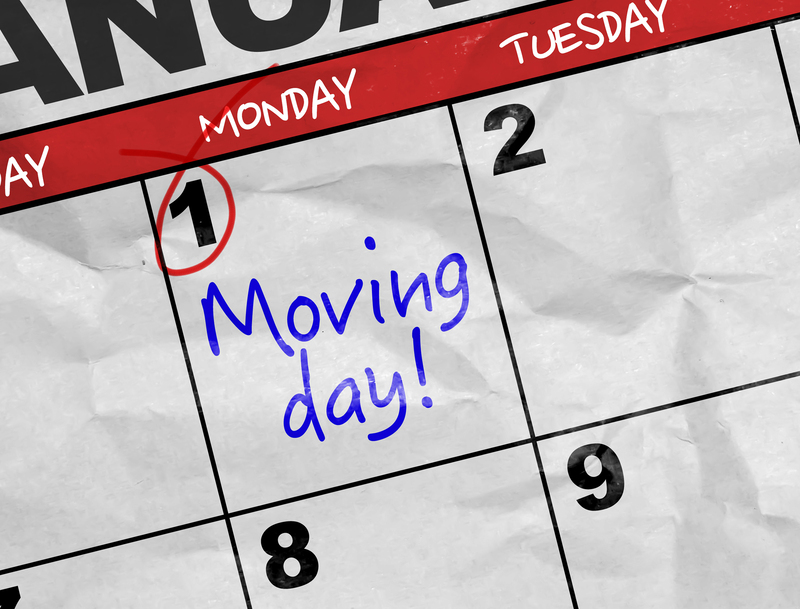
Planning is often the difference between a move that feels controlled and one that becomes unnecessarily rushed. This does not mean turning the process into paperwork for its own sake. It simply means deciding what should happen first, which items need attention and how the load can be handled without confusion. Some moves are easier when boxes are grouped by room, while others benefit from separating furniture and delicate contents so they can be loaded in the right sequence.
A sensible removal plan usually covers a few basic points.
- Confirm the moving date and access at both addresses.
- Identify bulky, fragile or awkward items in advance.
- Decide whether packing, dismantling or wrapping is needed.
- Keep the most important items accessible for the first day after the move.
Some customers prefer to manage the packing themselves, while others want more support before the van arrives. Both approaches can work well if the move is planned properly. The key point is to match the service to the scale of the job and the time available. When you are happy with the outline, the next sensible step is to ask for a quotation and choose the service level that fits your move.
Quotation details and service options
Quotation requests work best when they are built around facts rather than assumptions. That means listing the main contents, the addresses involved, any floors or access restrictions, and whether the move needs packing or dismantling support. If there are items with unusual dimensions or extra handling needs, mention them clearly so the quotation reflects the likely work. Contact us is the natural starting point for a move enquiry when you are ready to share the details.
For customers comparing options, it can also help to review related service pages such as house removals, office removals and man and van removals if the job is smaller or more flexible. Those pages describe different moving scenarios, which can make it easier to decide what kind of support is most suitable. Once you know the scope of the work, the quotation process becomes far more straightforward and the moving plan can be matched to it.